Where Atlanta began, told through a locomotive and a mile marker
At the Atlanta History Center, the restored Texas and the Zero Mile Post explain how a railroad terminus shaped the city. Here’s how to plan a visit.
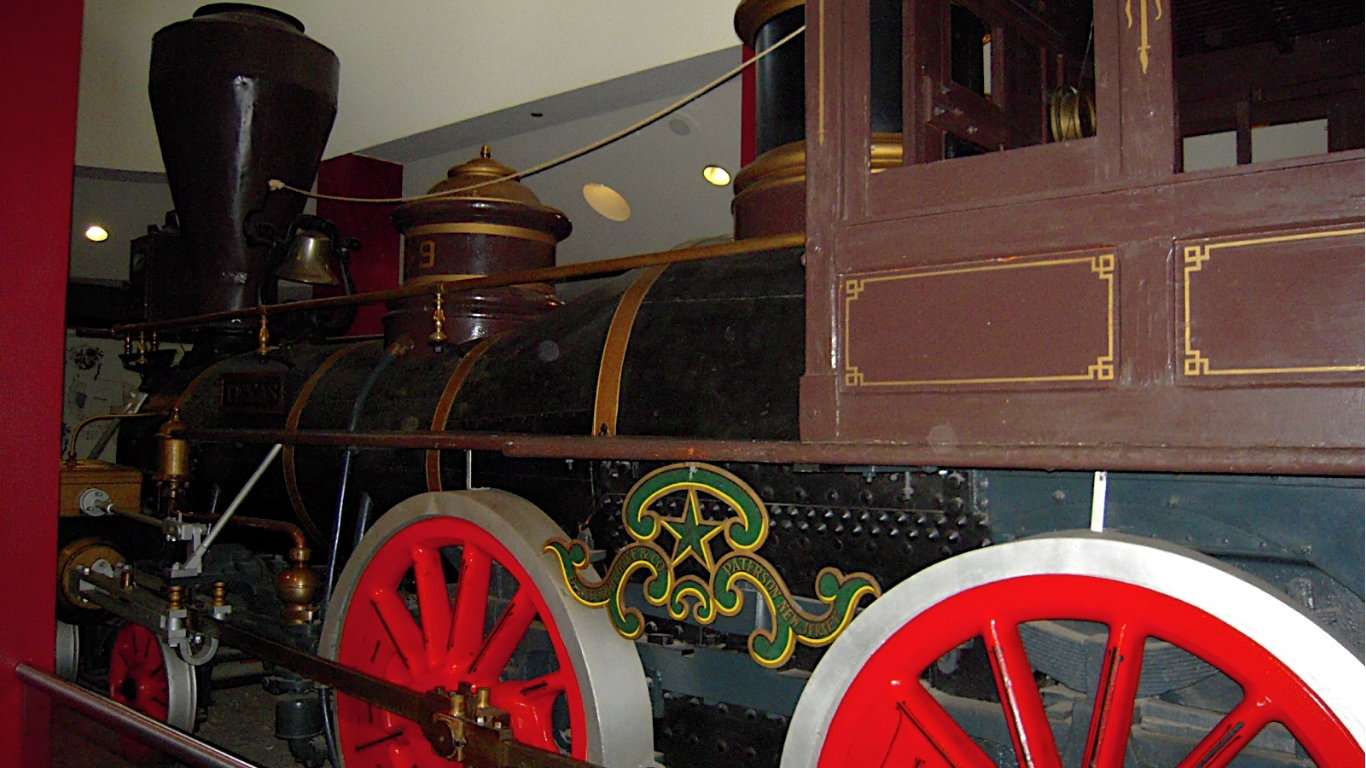
Archival photo: Cak22 / Wikimedia CommonsDetails
A railroad marker that helped locate the city
A stone marker and a steam locomotive sit together at the Atlanta History Center in Buckhead. Their story starts downtown. The Western & Atlantic Railroad established its terminus in 1837 at the site that became Atlanta, and the museum says the site near today’s Georgia Freight Depot was used to determine the city center in 1842.
The stone Zero Mile Post on display dates to the 1850s. The distinction between the site and the stone matters: the location helped define the early city before the marker now in the gallery was installed. The Georgia Building Authority reached a renewable licensing agreement with the History Center to preserve and interpret the marker. You can see the original object in Buckhead, away from the downtown site it marked.
What the restored Texas shows
The Texas was built in 1856 for the Western & Atlantic. The History Center chose to restore the engine to its 1886 appearance, the year of its last major upgrade and the year the Battle of Atlanta cyclorama painting was made. The archival photograph accompanying this guide shows the locomotive in its former museum in 2011, before that restoration and move.
Start with Locomotion for the relationship between the railroad, commerce and the city’s location. The center’s Civil War exhibition, More Perfect Union, offers a separate perspective on the era through personal accounts and objects, including a battle flag of the 127th U.S. Colored Troops. The two galleries give visitors a way to connect the growth of Atlanta as a transportation center with the lives of people who experienced the war.
Tickets, parking and gallery access
The Buckhead campus is at 130 West Paces Ferry Road NW, with free onsite parking. The center lists hours of 9 a.m. to 4 p.m. Tuesday through Sunday, with historic houses opening at 11 a.m. Its general admission page lists weekend prices of $35 for adults 13 and older and $31 for ages 4–12, and weekday prices of $31 and $27 respectively. Children 3 and younger are free. The page advertises a $2 online saving per ticket and links to the booking calendar for date-specific details.
The center lists an accessible entrance and bathroom for Locomotion. A limited number of manual wheelchairs are available at admissions on a first-come basis, and some spaces in Swan House and Smith Farm have access limitations. If you plan to eat onsite, the center lists Souper Jenny’s rotating menu with vegetarian, vegan and gluten-free options. Check the day’s menu and ask staff about specific dietary needs.
Sources & further reading
Sources checked 2026-11-06.
About Atlanta Real Estate News
Atlanta Real Estate News is an independent publication covering property, development, business, design and life in Metro Atlanta. We exist to help readers understand what is changing, why it matters and what to watch next through clear reporting, verified sources and local perspective.